
What Happens If Cataracts Go Untreated? Signs You May Be Waiting Too Long

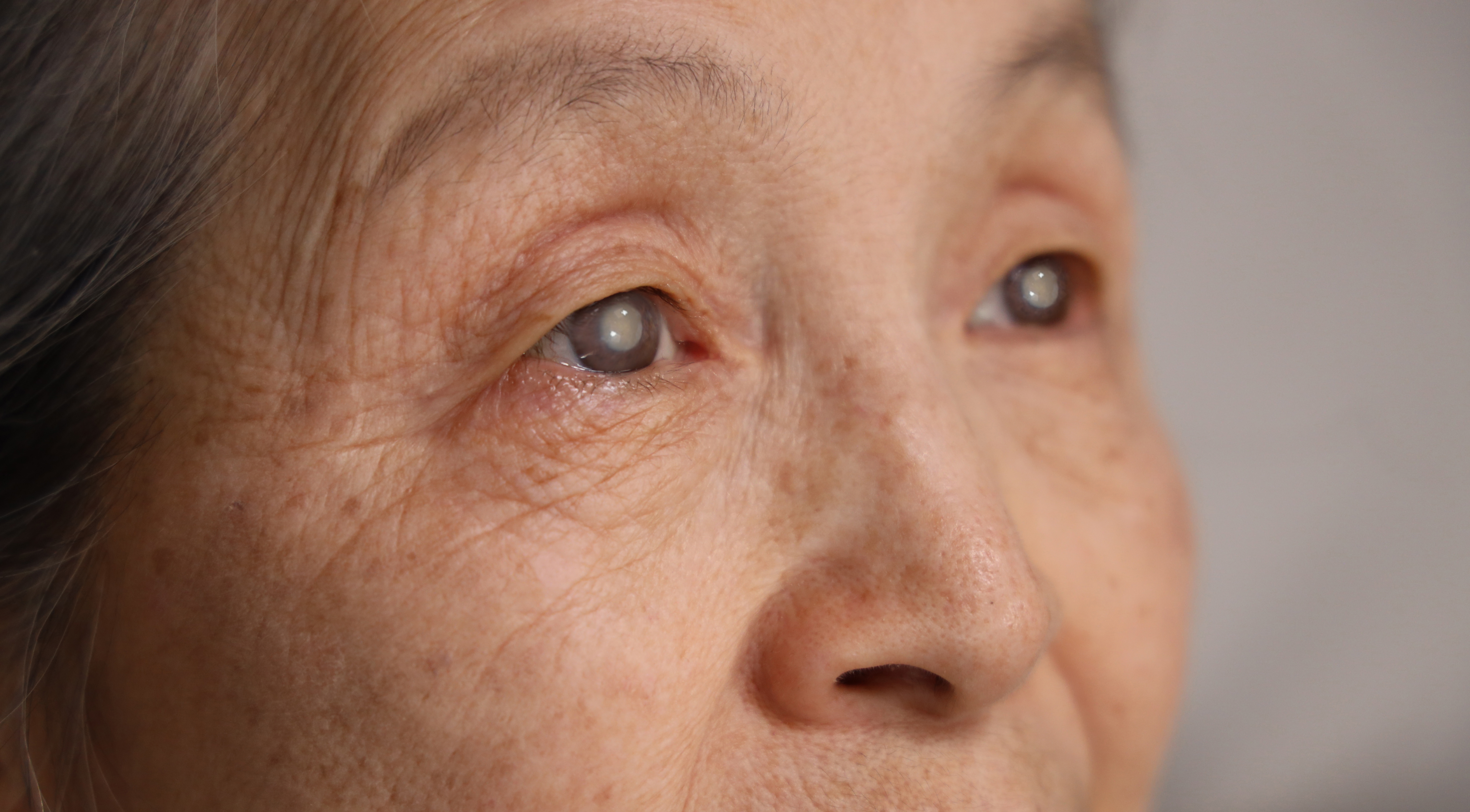
Cataracts Can Progress Gradually
Cataracts develop when the natural lens inside the eye becomes cloudy. At first, the changes may be mild and easy to work around. You may need brighter lighting, notice more glare at night, or feel like your glasses are not working as well as they used to. Over time, untreated cataracts can interfere with daily activities and make vision increasingly cloudy or dull.
At Focus Eye Care, P.C. in Hackensack, NJ, we help patients understand cataract symptoms, monitor changes, and determine when additional care may be needed. Regular eye exams are important because cataracts can progress slowly before they begin affecting quality of life.
Vision May Become More Blurry or Cloudy
One of the most common signs of cataracts is blurry or hazy vision. As cataracts worsen, the lens becomes less clear, making it harder for light to pass through properly. This can make reading, watching television, using a computer, or recognizing faces more difficult.
Patients in Hackensack may first notice that their vision seems cloudy even with updated glasses. If a prescription change no longer improves clarity as expected, cataracts may be playing a larger role.
Night Driving Can Become More Difficult
Untreated cataracts often make night driving more challenging. Glare from headlights, halos around lights, and reduced contrast can make it harder to see lane markings, pedestrians, or road signs.
Some patients gradually stop driving at night without realizing cataracts are the reason. When vision changes begin limiting independence or safety, it is time to schedule a comprehensive eye exam.
Signs You May Be Waiting Too Long
Cataracts do not always need immediate surgery, but they should not be ignored when symptoms begin interfering with daily life. An eye doctor can evaluate how advanced the cataract is and whether it is affecting your vision enough to consider referral or treatment planning.
Signs you may be waiting too long include:
- Blurry or cloudy vision that affects daily tasks
- Increasing glare or halos around lights
- Trouble driving at night
- Frequent prescription changes
- Faded or yellowed colors
- Difficulty reading even with good lighting
- Reduced confidence walking, driving, or using stairs
- Vision that no longer improves clearly with glasses
These symptoms can affect comfort, safety, and independence if they continue to progress.
Increased Risk of Falls and Accidents
Clear vision plays an important role in balance, mobility, and depth perception. As cataracts become more advanced, it may be harder to judge steps, curbs, uneven sidewalks, or objects in low light. This can increase the risk of trips, falls, or accidents, especially for older adults.
For patients in Hackensack, cataract monitoring can help determine when vision changes are becoming more than a mild inconvenience. Addressing cataracts at the right time can support safer movement and better daily function.
Eye Exams Help Rule Out Other Conditions
Cataract symptoms can overlap with other eye diseases, including glaucoma, macular degeneration, diabetic eye disease, and dry eye. Blurry vision or glare may seem like cataracts, but a comprehensive eye exam is needed to confirm the cause.
At Focus Eye Care, P.C., eye exams evaluate more than vision clarity. They also help monitor overall eye health and identify conditions that may not cause obvious symptoms early on. This is especially important for patients with diabetes, high blood pressure, a family history of eye disease, or previous eye health concerns.
Waiting Too Long Can Make Vision More Limiting
When cataracts are left untreated for too long, vision can become increasingly limited. Advanced cataracts may make it harder to perform work tasks, read medication labels, enjoy hobbies, or move confidently through daily routines. In some cases, very mature cataracts can also make eye evaluations more difficult because the cloudy lens blocks a clear view of the retina.
Routine monitoring gives your eye doctor the information needed to guide next steps before cataracts have a greater impact on your life.
You should schedule an eye exam if your vision feels cloudy, dim, yellowed, or increasingly affected by glare. You should also be evaluated if night driving feels unsafe or if your glasses no longer provide the clarity you expect.
For cataract evaluations and comprehensive eye care in Hackensack, NJ, contact Focus Eye Care, P.C. at 302 Union Street, 2nd Floor by calling (201) 646-9090.

All Eye
Care Services

Keep
In Touch
Monday
08:00 AM to 07:00 PM
Tuesday
10:00 AM to 07:00 PM
Thursday
10:00 AM to 07:00 PMWednesday & Friday
08:00 AM to 05:00 PM
Saturday
08:00 AM to 01:00 PM
Sunday
Closed



