
How Blue Light Impacts Your Sleep—and What You Can Do About It

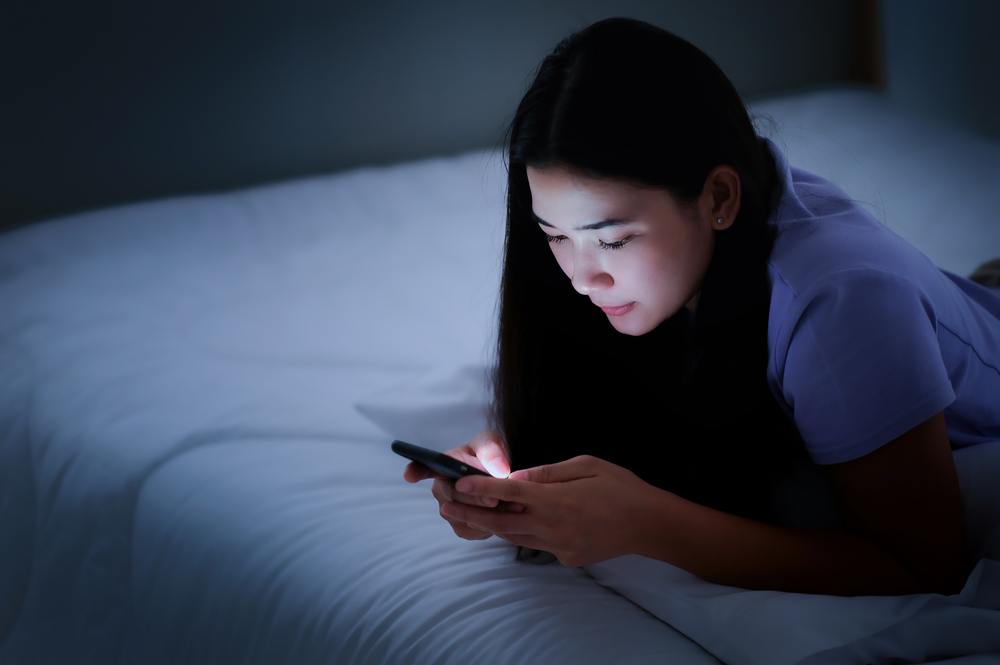
Does this sound familiar?
You are finally in bed, but instead of sleeping, you are scrolling through your phone or watching just one more episode. It feels like relaxation, but when you put the screen down, your mind keeps racing. Even though your body is exhausted, sleep just will not come.
That frustrating feeling has a lot to do with the very device in your hands. That bright, cool glow from your screen is not just light; it is a specific type called blue light. During the day, this light is fantastic. It boosts our mood, sharpens our focus, and signals to our brain that it is time to wake up.
But at night, that same signal becomes confusing. It tricks our brain into thinking the sun is still up, which can quietly unravel our chances for a good night’s rest.
Why Your Evening Screen Time Keeps You Up
You know that heavy, sleepy feeling that comes over you when the lights go down? That is not just tiredness; it is a clever little hormone called melatonin getting to work.
When the sun sets and darkness settles, your brain gets the cue to start releasing melatonin into your bloodstream. It is your internal signal that the day is done, gently telling your system to slow your heart rate, lower your body temperature, and ease you into rest. It is the natural dimmer switch that prepares every part of you for sleep.
Here is where your devices cause trouble. The blue light they emit is very similar to daylight. When it hits your eyes in the evening, it sends a signal to your brain: "It's still daytime! Stay awake!" This signal puts the brakes on melatonin production.
When your melatonin is delayed, two main things happen:
- Your circadian rhythm (your body's 24-hour internal clock) gets pushed later, making it harder to feel tired at your usual bedtime.
- The quality of your sleep can suffer, meaning you might toss and turn, wake up more often, and not feel rested in the morning.
Simple Changes for More Restful Nights
The goal is not to live in the dark or throw away your gadgets. It is about being smarter with light, especially in the two hours before you want to sleep.
Your daily habits play the biggest role. The most effective step is also the simplest: try to put your phone, tablet, and laptop away 60 minutes before bed. This gives your brain a clear signal that the day is over.
If you must use a device, turn on the built-in "Night Shift" or "Blue Light Filter" mode, which gives the screen a warmer, less stimulating tint.
Your environment is just as important. You can create a sleep-friendly space by making a few easy tweaks:
- Swap bright, cool-white bulbs in your lamps for warm, dimmable bulbs in the evening.
- If you must have a night light, choose one with a red or orange hue. These colors are less disruptive than blue or white light.
- Consider blackout curtains to keep your room truly dark, blocking out streetlights and early-morning sun.
Doing the above will help your brain to get the right signal to release melatonin, and you will be able to sleep easier and wake up refreshed.
For more on how blue light impacts your sleep, visit Focus Eye Care, P.C. at our Hackensack, New Jersey, office. Call (201) 646-9090 to schedule an appointment today.

All Eye
Care Services

Keep
In Touch
Monday
08:00 AM to 07:00 PM
Tuesday
10:00 AM to 07:00 PM
Thursday
10:00 AM to 07:00 PMWednesday & Friday
08:00 AM to 05:00 PM
Saturday
08:00 AM to 01:00 PM
Sunday
Closed



